Cleansing Without Starving: The Ayurvedic Truth About What Your Dosha Actually Needs to Detox
Every January, American wellness culture resets with a familiar script: eliminate sugar, cut alcohol, drink only green juice for five days, and emerge transformed. The detox industry in the United States generates billions of dollars annually, built on a single premise — that the body needs to be emptied in order to be healed. Ayurveda, a system of medicine more than five thousand years old, respectfully disagrees.
According to Ayurvedic philosophy, the body is not a vessel that periodically requires aggressive flushing. It is a living, intelligent system already equipped with sophisticated mechanisms for processing and eliminating waste. The Sanskrit term ama refers to the toxic residue that accumulates when digestion is weak, when lifestyle falls out of rhythm, or when the body is exposed to more than it can metabolize. The goal of Ayurvedic cleansing is not to starve ama out of existence. It is to strengthen the systems that naturally dissolve it — and that process looks entirely different depending on your constitutional type.
Why Restrictive Cleanses Often Backfire
The appeal of a strict cleanse is understandable. After months of irregular eating, stress, and overstimulation, the idea of pressing reset carries genuine emotional weight. But from an Ayurvedic standpoint, most commercially popular detox protocols share a critical flaw: they treat every body as identical.
A five-day juice fast that leaves one person feeling clear-headed and light may leave another anxious, depleted, and unable to concentrate. A raw food cleanse celebrated in wellness communities may aggravate one constitution while offering real benefits to another. This is not a matter of individual willpower or commitment. It is a matter of constitutional design.
When the body is deprived of adequate nourishment during a period that is supposed to support healing, it often responds with stress rather than renewal. Cortisol rises. Digestion weakens further. Vata — the dosha governing the nervous system and movement — can become severely aggravated, producing anxiety, insomnia, and erratic energy. The very conditions a cleanse was meant to resolve are frequently worsened by it.
Vata: Warmth, Grounding, and Gentle Movement
For those with a predominantly Vata constitution — characterized by qualities of air and ether, expressed as creativity, lightness, and a tendency toward irregularity — the concept of detox must center on warmth and stabilization rather than elimination.
Vata types are already prone to dryness, variability, and depletion. Removing food groups, skipping meals, or consuming cold, raw, or liquid-only diets during a cleanse period intensifies these tendencies dramatically. The Ayurvedic approach for Vata is grounding: warm, well-spiced, easily digestible foods such as kitchari (a traditional preparation of rice and split mung dal cooked with digestive spices), warm sesame oil applied to the body through the practice of abhyanga, and consistent daily routines that anchor an otherwise mobile constitution.
For Vata, detoxification is less about what is removed and more about what is restored. Regularity of mealtimes, adequate sleep, and warm, unctuous nourishment allow the nervous system to settle and the digestive fire — agni — to strengthen naturally, which is the prerequisite for ama elimination.
Pitta: Cooling, Releasing, and Avoiding the Overcorrection
Pitta types, governed by fire and water, bring intensity, precision, and drive to everything they undertake — including wellness protocols. This is where a particular caution applies. Pitta individuals are drawn to ambitious detox programs not because their bodies necessarily require them, but because the Pitta temperament responds to a sense of challenge and control.
The irony is that aggressive cleanses can overheat an already fire-dominant constitution. Pitta's natural detoxification pathway runs through the liver and small intestine, and it functions best when supported by cooling, bitter, and mildly astringent foods — leafy greens, coriander, fennel, lime, and lightly cooked vegetables — rather than hot peppers, excessive citrus, or stimulating herbs often found in commercial detox supplements.
For Pitta, the most powerful cleansing practice is often the removal of intensity itself. This means stepping away from competitive exercise, moderating alcohol and caffeine, reducing screen exposure, and introducing genuinely restful practices. The Pitta constitution detoxifies most effectively when it is neither pushed nor inflamed.
Kapha: The One Dosha That Welcomes More Structure
Of the three doshas, Kapha — governed by earth and water — is the one constitution that can benefit from increased stimulation and lighter eating during a cleansing period. Kapha types tend toward accumulation: physically, emotionally, and metabolically. Heaviness, congestion, and sluggish digestion are common expressions of excess Kapha, and these conditions do respond well to a period of deliberate dietary reduction.
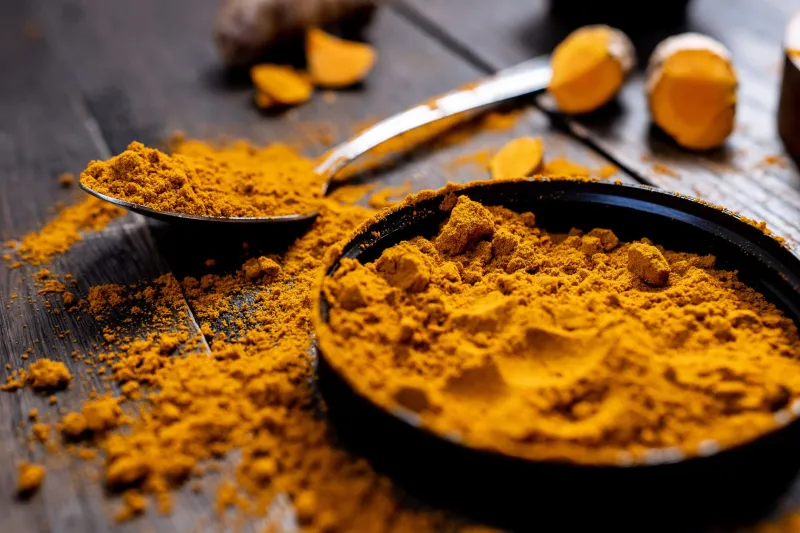
However, even here, Ayurveda draws a distinction between reduction and deprivation. Kapha cleansing typically involves eliminating heavy, cold, oily, and sweet foods while emphasizing warming spices such as ginger, black pepper, turmeric, and mustard seed. Light, warm, well-spiced soups and cooked vegetables support Kapha's digestive fire without the metabolic shock of a liquid-only fast.
Kapha also benefits from increased physical movement during cleansing periods — brisk walking, vigorous yoga, or any activity that counters the constitutional tendency toward stillness and promotes lymphatic circulation.
Daily Rituals That Support Natural Cleansing Year-Round
Beyond the seasonal or periodic cleanse, Ayurveda places enormous value on daily practices — dinacharya — that maintain the body's cleansing capacity continuously. Several of these require no special products, no elimination protocols, and no financial investment.
Tongue scraping each morning removes the ama that accumulates on the tongue overnight, preventing its reabsorption and offering a daily visual indicator of digestive health.
Warm water with lemon and ginger taken first thing in the morning kindles digestive fire and encourages gentle elimination — a practice suited to all three doshas when proportioned correctly.
Abhyanga, or self-massage with warm oil, supports lymphatic drainage and grounds the nervous system. Sesame oil is traditionally recommended for Vata, coconut oil for Pitta, and lighter oils such as sunflower for Kapha.
Mindful eating — consuming meals without distraction, chewing thoroughly, and honoring appropriate meal spacing — may be the single most impactful cleansing practice available. Undigested food is the primary source of ama, and no cleanse protocol compensates for habitual inattention at the table.
Reframing What It Means to Cleanse
The cultural pressure to detox through deprivation reflects a broader misunderstanding of how healing actually works. The body does not require punishment in order to purify. It requires conditions under which its own intelligence can operate without interference.
Ayurveda offers something the wellness industry rarely does: a framework that respects individual variation, honors the body's inherent capacity for self-regulation, and resists the impulse to solve complex constitutional imbalances with a five-day fix. Genuine cleansing, in this tradition, is less a product and more a practice — one that begins not with restriction, but with attention to what each unique constitution genuinely needs to thrive.