Hustle Culture Has No Dosha: Why Ayurveda Rejects the Myth of Maximum Productivity

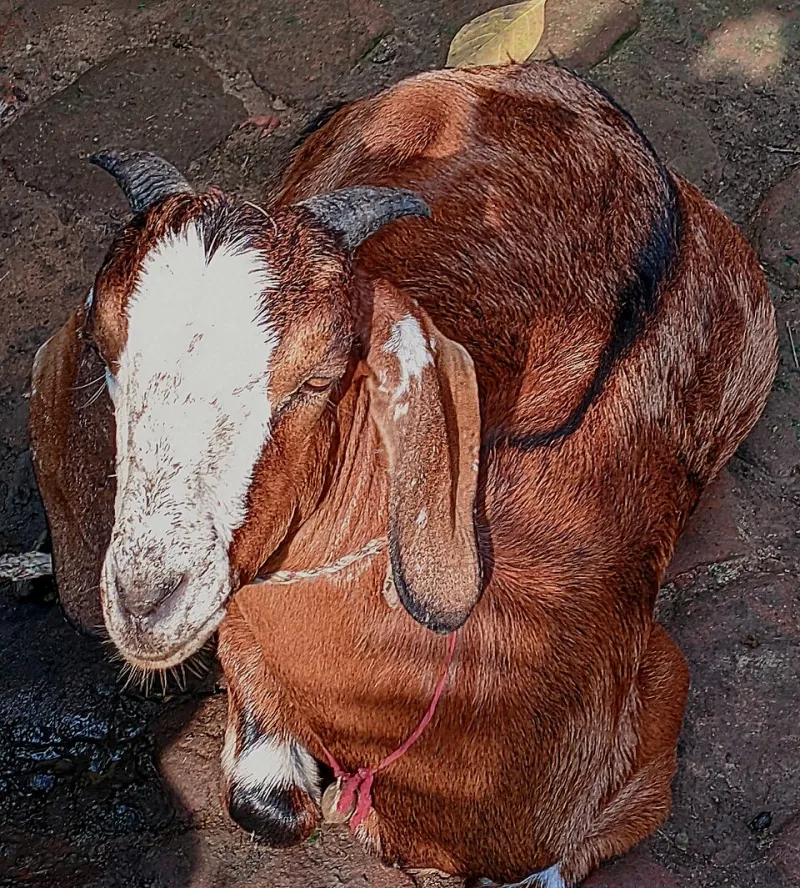
Photo: Alberto Giuliani, CC BY-SA 4.0, via Wikimedia Commons
The Productivity Myth and What It Costs You
America has a complicated relationship with rest. From Silicon Valley's glorification of the four-hour sleep schedule to the cultural shorthand of being "slammed" as a badge of relevance, the message is consistent: doing more is being more. Productivity apps, time-blocking tutorials, and morning routine content have built an entire industry around the premise that human output can—and should—be perpetually optimized.
Ayurveda, the five-thousand-year-old system of medicine that originated in the Indian subcontinent, disagrees with that premise at a foundational level.
This is not a casual disagreement. It is a structural one. Where modern productivity culture treats the human being as a resource to be maximized, Ayurveda treats the human being as a dynamic, seasonal, and constitutionally unique organism that requires rhythm, recovery, and alignment—not acceleration. The two frameworks are not merely different in emphasis. In many respects, they are opposed.
Understanding why requires a closer look at what your dosha actually does when it is pushed past its natural threshold.
Vata: The Cost of Scattered Output
Vata dosha is governed by the elements of air and ether. It is the force of movement, creativity, and initiation in the body and mind. In a balanced state, Vata brings inspiration, flexibility, and a genuine enthusiasm for new ideas. In the context of modern productivity culture, however, Vata is perhaps the most vulnerable of the three doshas.
Productivity frameworks tend to reward quantity of tasks initiated, speed of execution, and the ability to pivot between priorities. For Vata types, this environment feels initially stimulating—and then quietly devastating. Vata's natural tendency toward mental agility easily tips into scattered multitasking when external pressure compounds internal restlessness. The result is a person who begins twelve things, completes very few of them, and ends the day feeling simultaneously overstimulated and unaccomplished.
Ayurveda identifies this pattern not as a discipline failure but as a constitutional imbalance. Vata excess manifests as anxiety, insomnia, digestive irregularity, and a sense of groundlessness—all of which are accelerated, not resolved, by demanding more output. What Vata actually requires is rhythm, containment, and completion. A shorter task list, executed with full attention, is more nourishing for a Vata constitution than an ambitious schedule that fragments focus across the entire day.
Pitta: The Optimization Trap
If Vata suffers from too much scattered motion, Pitta suffers from too much directed intensity. Pitta dosha is governed by fire and water. It drives ambition, precision, and the capacity to transform ideas into results. In professional environments, Pitta types are frequently the highest performers—and frequently the first to burn out.
Productivity culture is, in many ways, designed by and for Pitta. The emphasis on measurable goals, competitive benchmarks, and efficiency metrics maps almost perfectly onto Pitta's natural inclinations. The problem is that Pitta, when unchecked, does not know when to stop. Every hour becomes an opportunity to optimize. Every system becomes something to improve. Rest begins to feel like a competitive disadvantage rather than a physiological necessity.
Ayurveda is direct about the consequences. Excess Pitta accumulates as inflammation—in the gut, in the skin, in the joints, and in the emotional body. Irritability, acid reflux, skin flare-ups, and a persistent sense that nothing is ever quite good enough are all signs that Pitta's fire has exceeded its useful range. The hustle framework does not offer Pitta a way out of this cycle. It offers more fuel.
What Pitta genuinely needs is structured permission to stop. Not productivity hacks that make rest more efficient, but an actual cessation of directed effort—walks without destinations, meals eaten slowly, evenings without a deliverable attached.
Kapha: When Rigidity Meets Resistance
Kapha dosha is governed by earth and water. It provides stability, endurance, and the kind of sustained loyalty that holds institutions and relationships together over time. Kapha types are not lazy—a common mischaracterization—but they are constitutionally resistant to systems that feel arbitrary, externally imposed, or disconnected from meaning.
Standard productivity culture tends to treat motivation as a switch that can be flipped through the right morning routine or accountability structure. For Kapha, this approach consistently underdelivers. Kapha does not respond to urgency the way Vata or Pitta might. It responds to depth, purpose, and gradual momentum. A rigid hourly schedule imposed from the outside will often produce the exact stagnation it was designed to prevent.
The Ayurvedic approach for Kapha is not to demand more speed but to cultivate genuine engagement. When Kapha finds work that connects to something meaningful, the endurance that defines this constitution becomes an extraordinary asset. When Kapha is simply asked to match someone else's pace on someone else's terms, the response is withdrawal—not because of weakness, but because the system does not fit the constitution.
What Constitutional Wellness Actually Looks Like
Ayurveda does not advocate for inactivity. It advocates for appropriate activity—effort that is calibrated to constitution, season, time of day, and life stage. This is a meaningfully different standard than productivity culture's implicit demand for uniform, sustained maximum output.
In practical terms, constitutional wellness looks like this:
For Vata: Fewer commitments, honored fully. A consistent daily schedule that provides the grounding this dosha requires. Work periods followed by genuine transitions, not immediate pivots to the next item. Warm meals eaten without screens. Early, regular sleep.
For Pitta: Clear stopping points built into the day before exhaustion forces them. Competitive goals balanced with non-competitive practices—time in nature, creative work without a measurable outcome, meals treated as experiences rather than fuel stops. Regular evaluation of whether ambition is serving vitality or consuming it.
For Kapha: Movement and engagement woven into the structure of the day, particularly in the morning when Kapha energy is heaviest. Work connected to purpose rather than performance metrics. Social accountability that feels supportive rather than coercive. Seasonal awareness, particularly in late winter and early spring when Kapha accumulation peaks.
Redefining What a Good Day Looks Like
The deeper challenge that Ayurveda presents to productivity culture is not logistical. It is philosophical. The question is not how to do more with less time. The question is what a well-lived day actually requires of a person with your specific constitution, in this specific season, at this specific point in your life.
That question does not have a universal answer. It does not fit on a productivity template. It requires honest self-observation, a willingness to measure days by vitality rather than volume, and the recognition that your dosha is not a limitation to be overcome—it is a set of genuine needs to be honored.
Ayurveda has always understood that the body keeps an accurate account. What productivity culture calls optimization, Ayurveda often recognizes as depletion in progress. The two frameworks will not be reconciled by finding a better app or a more efficient morning routine. The reconciliation, if it comes, begins with accepting that your constitution was never built for the hustle—and that this is not a flaw.